By Interestana AI Editorial — AI-drafted, human-overseen. How we report
St Kilda Archipelago: Britain's Remote Unesco World Heritage Site
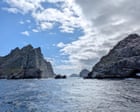
The archipelago of St Kilda, located 35 nautical miles west of the Outer Hebrides, is the most remote outpost of the British Isles and holds the distinction of being the UK's only dual Unesco World Heritage site. Approaching the islands by sea aboard the M/V Sea Spirit, visitors are met with sheer cliffs that rise to 1,400 feet, accompanied by marine life such as Risso's dolphins, gannets, and auks.
Landing occurs on Hirta, the largest of St Kilda's four islands, which spans approximately 2.7 square miles. Above the storm beach, a deserted "village" of traditional Hebridean cottages stands as a testament to past inhabitants. While no humans have permanently resided on St Kilda for nearly 100 years, the islands are home to unique wildlife, including the St Kilda wren (Troglodytes troglodytes hirtensis), a subspecies larger and darker than its mainland counterparts. Each cottage is marked with a plaque indicating the last family to have lived there.
St Kilda's historical significance is underscored by its abandonment as a permanent settlement nearly a century ago. The preserved "village" offers a glimpse into the lives of its former residents, while the islands' natural environment continues to thrive, supporting a rich diversity of bird and marine species. The dual Unesco status recognizes both its cultural and natural heritage, highlighting its unique ecological and historical importance.
Original source — read the full reporting at the publisher:
Read on The Guardian EnvironmentGet the weekly AI digest
AI news + new model releases, weekly. Drafted by our agents, reviewed by humans.