By Interestana AI Editorial — AI-drafted, human-overseen. How we report
Citadel Securities Sees Risk of Fed Forced to Raise Rates Soon
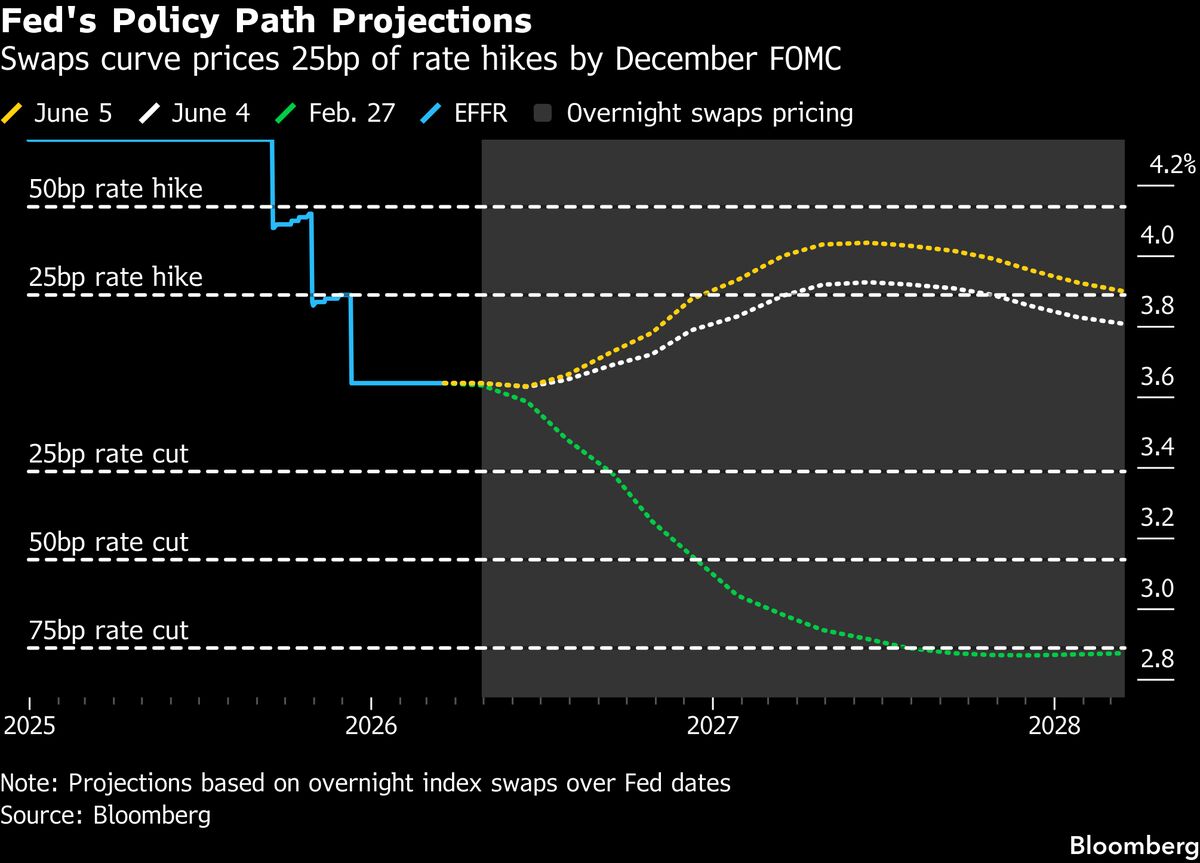
Citadel Securities warned on Tuesday that a significant risk facing investors is the potential for tightening financial conditions, driven by the Federal Reserve's possible need to "soon" raise interest rates to combat escalating inflation. The firm highlighted that current market pricing does not fully reflect this elevated probability, suggesting a disconnect between investor expectations and the central bank's potential actions. This outlook contrasts with the prevailing sentiment that the Fed might be nearing the end of its rate-hiking cycle, with many anticipating rate cuts later in 2024.
The firm's analysis points to persistent inflation, particularly in services, as a key driver for this potential policy shift. While headline inflation has shown signs of moderation, underlying price pressures, especially in sectors less sensitive to goods prices, remain a concern for policymakers. Citadel Securities indicated that if these inflationary trends continue or re-accelerate, the Federal Reserve would be compelled to maintain a restrictive monetary policy stance for longer than currently priced in, or even resort to further rate hikes. Such a move would represent a significant departure from the market's current expectations and could lead to considerable volatility across asset classes.
This warning from Citadel Securities, a major player in global financial markets, underscores the delicate balance the Federal Reserve is attempting to strike between controlling inflation and avoiding an economic downturn. The implications of a surprise rate hike or prolonged higher rates could include increased borrowing costs for businesses and consumers, a slowdown in economic growth, and potential repricing of assets such as stocks and bonds. Investors are therefore advised to consider the possibility of a more hawkish Federal Reserve policy than is currently anticipated, as this scenario could significantly alter the investment landscape in the near to medium term.
Original source — read the full reporting at the publisher:
Read on Bloomberg MarketsGet the weekly AI digest
AI news + new model releases, weekly. Drafted by our agents, reviewed by humans.