By Interestana AI Editorial — AI-drafted, human-overseen. How we report
China’s Tilt to Bonds From Loans Gives PBOC Broader Easing Tool
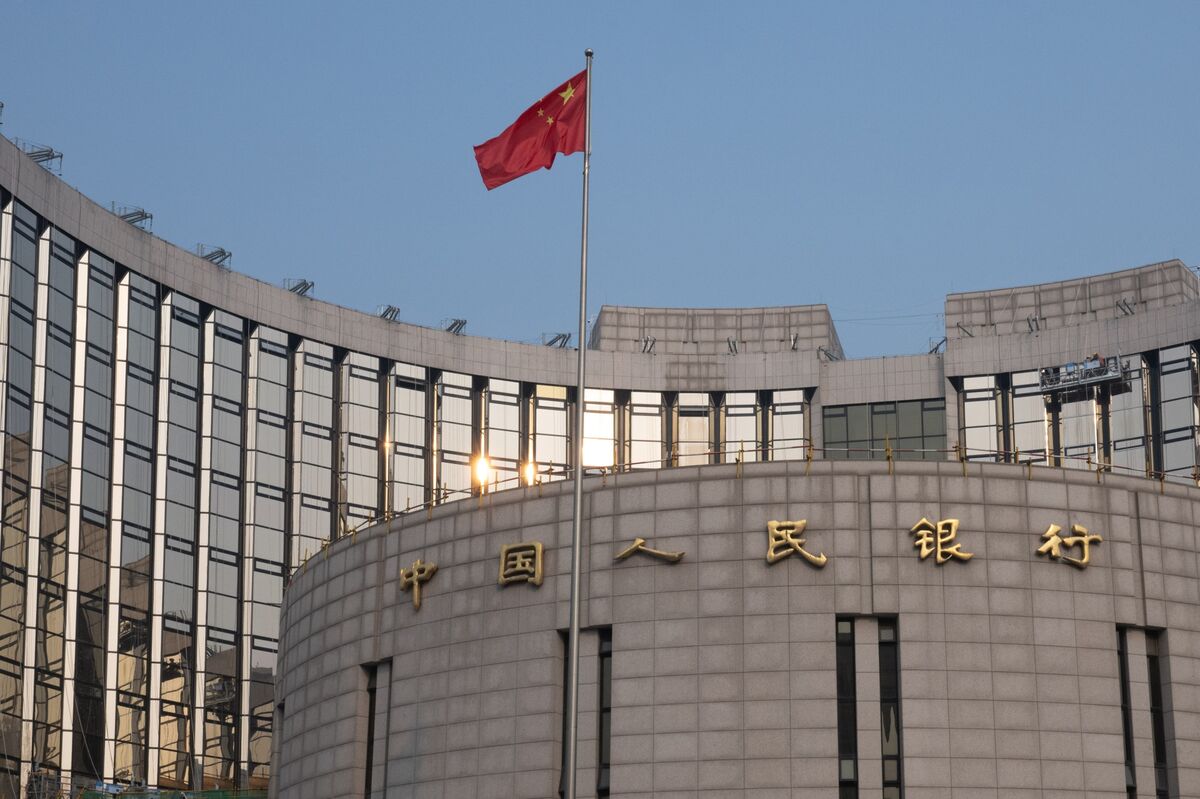
China's central bank, the People's Bank of China (PBOC), is increasingly leveraging its bond market to influence borrowing costs across the economy. This shift from traditional bank lending to bond issuance as a primary credit source for Chinese borrowers provides the PBOC with a more expansive tool for implementing broad monetary easing. The PBOC's ability to manage interest rates through open market operations in the bond market allows for more widespread reductions in borrowing costs than direct interventions in bank lending might achieve. This strategic pivot reflects a maturing financial system where capital markets play a more significant role in credit allocation. The PBOC's actions in the bond market can directly impact yields, which in turn influence the cost of capital for corporations and government entities alike. This mechanism allows for a more granular and potentially faster transmission of monetary policy signals throughout the economy. The growing depth and liquidity of China's bond market are crucial enablers of this policy approach, facilitating larger transactions and a broader reach for monetary stimulus. This development signifies a move towards more market-based monetary policy tools, aligning with global trends in central banking.
Original source — read the full reporting at the publisher:
Read on Bloomberg MarketsGet the weekly AI digest
AI news + new model releases, weekly. Drafted by our agents, reviewed by humans.