By Interestana AI Editorial — AI-drafted, human-overseen. How we report
China is designing a floating, nuclear-powered shipping port of the future
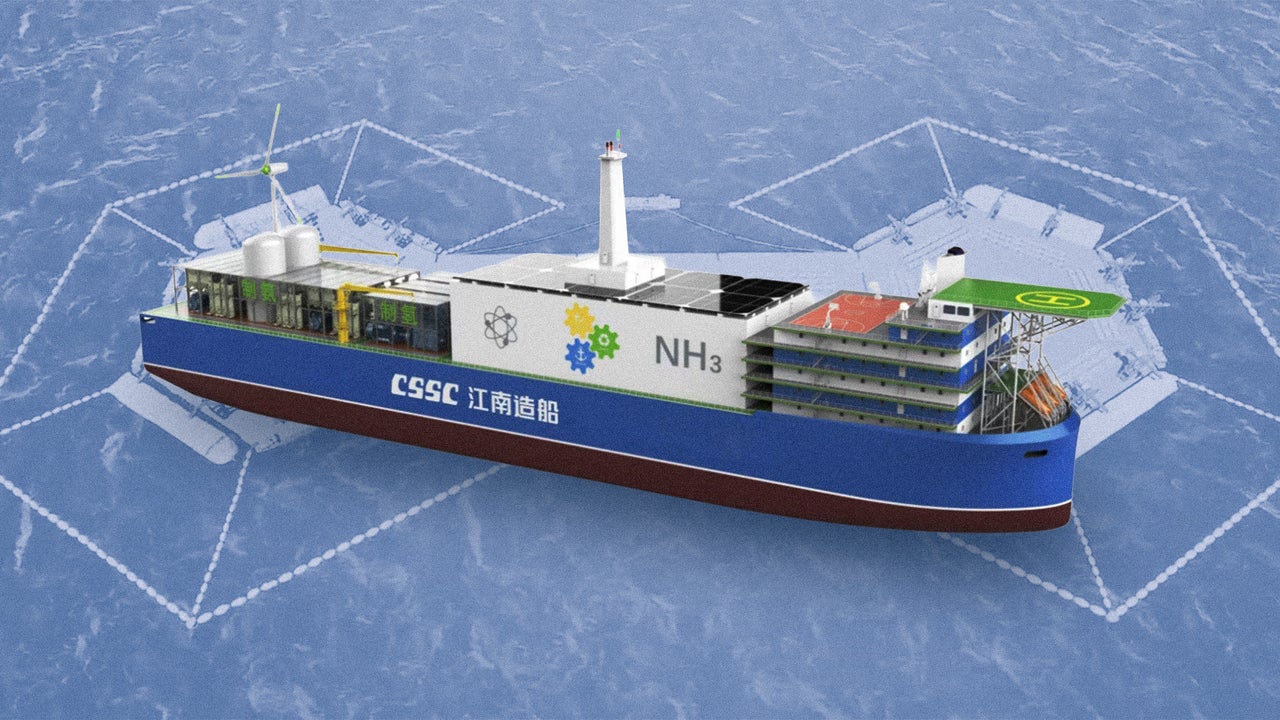
Jiangnan Shipyard, a subsidiary of China State Shipbuilding Corp., has designed a nuclear-powered floating shipping port. This offshore facility is engineered to function as a container terminal and a ship-recharging station, powered by nuclear energy and renewable sources. The company intends to deploy these facilities globally along critical shipping routes, potentially establishing a network of independent ports in international waters. The concept, presented at the Posidonia international shipping exhibition in Greece, is designed for self-sufficiency, capable of manufacturing its own zero-carbon fuels, supplying electricity to docked electric feeder ships, and operating on a closed energy loop with no direct carbon emissions. Such a platform would not require a traditional port, coastline, or connection to a national grid. This initiative follows China's previous efforts in developing large floating structures, including strategic research platforms aimed at expanding its scientific and geopolitical influence. The shipping industry, responsible for approximately 80% of global trade by volume, faces significant challenges in decarbonization due to its reliance on fossil fuel infrastructure. Jiangnan Shipyard's proposal aims to address this by creating a "new ecosystem for zero-emission ocean container logistics" and offering a "groundbreaking solution for the global shipping industry's carbon neutral transformation," signaling China's ambition to lead in the future architecture of maritime trade.
Original source — read the full reporting at the publisher:
Read on Fast CompanyGet the weekly AI digest
AI news + new model releases, weekly. Drafted by our agents, reviewed by humans.