By Interestana AI Editorial — AI-drafted, human-overseen. How we report
Can ecosystems ‘malfunction’?
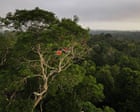
The Amazon rainforest, according to a 2021 study published in Nature, is losing its capacity as a carbon sink and now emits more carbon than it absorbs. Marine scientists are reporting a decline in tropical coral reefs, which threatens fish stocks. Research into the Atlantic Meridional Overturning Circulation (Amoc), a major ocean current system regulating climate, indicates a risk of collapse this century. These observations contribute to a broader perception that the global ecosystem is losing its ability to function as it once did. This perspective is prevalent across various media, from newspapers to scientific journals, and reflects a common human tendency to understand the natural world through its perceived functions, such as forests producing oxygen or bees pollinating crops. The relationship between biodiversity and the services provided by ecosystems, including the stability of atmospheric composition, soil preservation, nutrient recycling, and marine food provision, is of particular interest to humanity. However, the article argues against viewing ecosystems as machines that can "malfunction," suggesting a need for a more nuanced understanding of ecological processes and their resilience.
Original source — read the full reporting at the publisher:
Read on The Guardian EnvironmentGet the weekly AI digest
AI news + new model releases, weekly. Drafted by our agents, reviewed by humans.