By Interestana AI Editorial — AI-drafted, human-overseen. How we report
Brexit Trade Deals Hurt UK Farmers, Threaten Food Availability
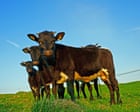
British farmers are experiencing a significant decline in income following the implementation of new trade deals signed after the UK's departure from the European Union. Liz Webster, a farmer managing 647 hectares (1600 acres) in Wiltshire, reported a loss of approximately £400 per head on her beef cattle. This price drop is attributed to an influx of cheaper meat from Australia, a consequence of a trade agreement finalized since Brexit. While supermarket prices for beef have remained relatively stable, the reduced income for farmers is occurring simultaneously with soaring costs for essential inputs such as feed, energy, and fertilizer. The price reduction affects livestock that typically sell for between £2,000 and £3,000 per animal, representing a substantial financial blow to producers.
These trade agreements, including those with Australia and New Zealand, which officially took effect in May 2023, are increasingly impacting the agricultural sector. The disparity between the prices farmers receive and the prices consumers pay suggests that the benefits of these deals are not being passed on to the producers. This situation raises concerns about the long-term viability of British farming and the availability of domestically produced food. The potential outcome, as suggested by some farmers, is that home-grown food could become a luxury item accessible only to the affluent.
The broader implications of these trade deals extend to the potential for British food to become a "niche product for wealthy" consumers. The current economic pressures on farmers, coupled with the influx of cheaper imported goods, could fundamentally alter the landscape of food production and consumption in the UK. Without adjustments to trade policies or increased support for domestic agriculture, the future of traditional British farming practices and the accessibility of its products to the general population appear to be under significant threat.
Original source — read the full reporting at the publisher:
Read on The Guardian EnvironmentGet the weekly AI digest
AI news + new model releases, weekly. Drafted by our agents, reviewed by humans.