By Interestana AI Editorial — AI-drafted, human-overseen. How we report
Bohl: Iran Successfully Leveraged Hormuz In Negotiations
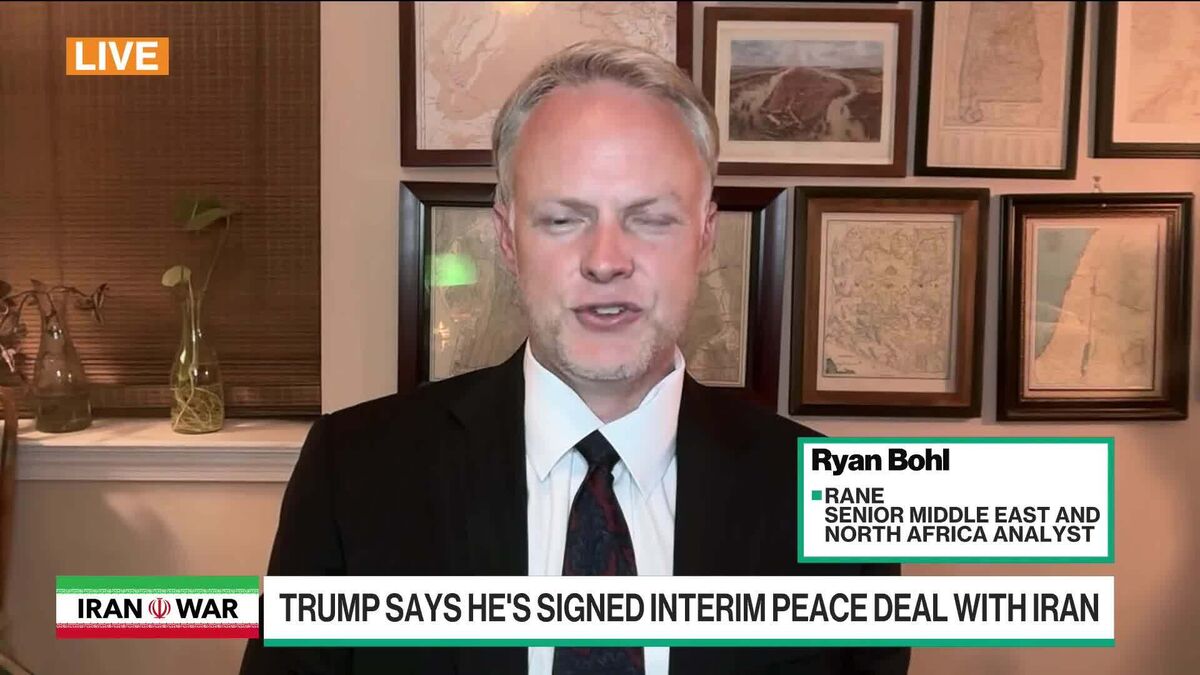
President Trump signed a Memorandum of Understanding (MOU) to end a conflict in Iran and reopen the Strait of Hormuz on November 13, 2024, following over 100 days of hostilities. Ryan Bohl, Senior Middle East and North Africa Analyst at RANE, discussed the specifics of this agreement with Bloomberg's Abeer Abu Omar on Horizons Middle East and Africa. Bohl highlighted key distinctions between this new deal and the Joint Comprehensive Plan of Action (JCPOA) negotiated during the Obama administration. The analysis focused on how Iran's leverage, particularly its control over the Strait of Hormuz, played a significant role in shaping the terms of the new MOU. This strategic chokepoint, through which approximately 20% of global oil consumption passes, provided Iran with considerable bargaining power. The agreement aims to de-escalate regional tensions and ensure the free flow of maritime traffic, a critical factor for global energy markets. The comparison with the JCPOA underscored the evolving geopolitical dynamics and the different approaches taken by successive US administrations in dealing with Iran's nuclear program and regional influence. Bohl's insights provided a detailed breakdown of the potential implications of the MOU for regional stability and international relations.
Original source — read the full reporting at the publisher:
Read on Bloomberg MarketsGet the weekly AI digest
AI news + new model releases, weekly. Drafted by our agents, reviewed by humans.