By Interestana AI Editorial — AI-drafted, human-overseen. How we report
Bitcoin recedes to $63,000 as Iran-Israel trade strikes and Korean stocks crash
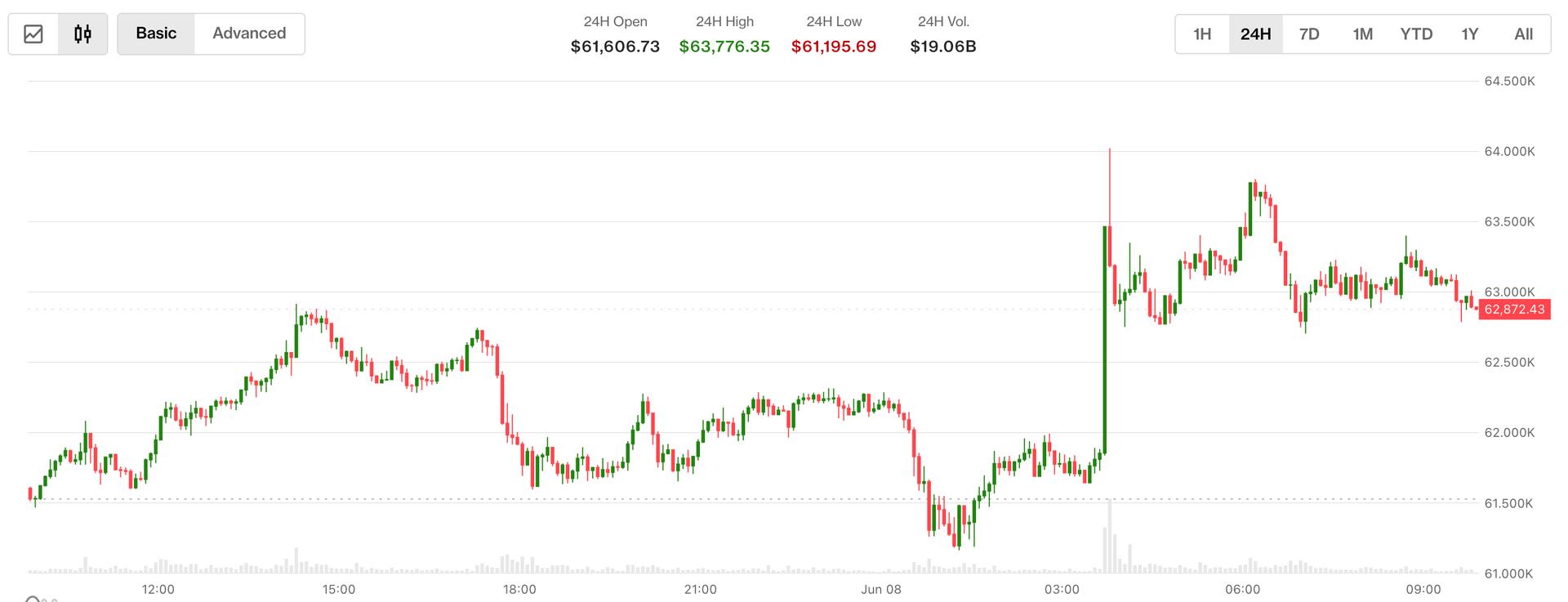
Bitcoin (BTC) retreated to approximately $63,000 on April 15, 2024, following a period of volatility driven by escalating geopolitical tensions and a significant downturn in Korean stock markets. The cryptocurrency had previously surged, but the heightened risk aversion among investors, coupled with rising oil prices, exerted downward pressure on its value. This pullback signifies a broader market reaction to global instability, where traditional safe-haven assets may be favored over riskier investments like cryptocurrencies during periods of uncertainty.
The geopolitical backdrop is crucial to understanding Bitcoin's recent price action. The intensification of the Iran-Israel conflict has injected considerable uncertainty into global financial markets. This conflict has directly impacted oil prices, which have climbed, reflecting concerns about supply disruptions in a critical energy-producing region. Higher oil prices can contribute to inflation, prompting central banks to consider tighter monetary policies, which generally have a negative effect on risk assets. The interconnectedness of these factors—geopolitics, energy prices, and monetary policy expectations—creates a complex environment for Bitcoin and other cryptocurrencies.
Simultaneously, the Korean stock market experienced a notable crash, with the KOSPI index falling sharply. This decline in a major Asian equity market signals a broader loss of investor confidence, potentially stemming from regional geopolitical concerns or domestic economic factors. The contagion effect from a significant stock market downturn can ripple through global markets, influencing investor sentiment towards all asset classes, including digital assets. The correlation between traditional markets and cryptocurrencies has become increasingly pronounced, meaning that downturns in equities can often lead to sell-offs in the crypto space.
Bitcoin's price movement in this context highlights its dual nature as both a speculative asset and, for some, a potential hedge against traditional financial system instability. However, in the short term, heightened global risk aversion appears to be overriding its perceived safe-haven qualities. The retreat to $63,000 suggests that investors are prioritizing capital preservation amidst escalating international conflicts and economic volatility, leading to a reassessment of Bitcoin's risk profile.
Original source — read the full reporting at the publisher:
Read on CoinDeskGet the weekly AI digest
AI news + new model releases, weekly. Drafted by our agents, reviewed by humans.