By Interestana AI Editorial — AI-drafted, human-overseen. How we report
Antibiotic "megacluster" discovery provides new strategy to fight superbugs
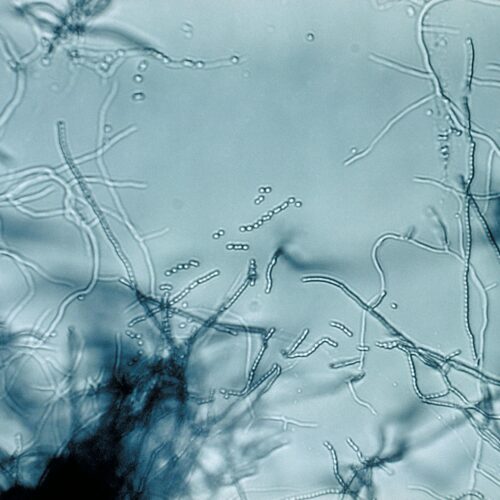
McMaster University researchers discovered a gene "megacluster" that codes for four molecules working together to disrupt a vital metabolic pathway in bacteria. This finding, reported in Nature this week, offers a novel strategy to combat antibiotic resistance by targeting multiple bacterial mechanisms simultaneously. For decades, new antibiotics have been derived from "natural products" originally developed by microbes to fight each other. However, the discovery of new natural products has become increasingly difficult, leading to a significant slowdown in the development of new drugs to counter rising antibiotic resistance. The new approach, spearheaded by biomedical researcher Eric Brown, moves beyond single-molecule antibiotics, which can be overcome by single bacterial mutations. The identified megacluster's molecules appear to act in concert, presenting a more robust challenge to bacterial survival and potentially revitalizing the antibiotic development pipeline. This discovery marks a significant shift in the strategy to stay ahead of microbial evolution, which has historically provided the basis for most clinically used antibiotics.
Original source — read the full reporting at the publisher:
Read on Ars TechnicaGet the weekly AI digest
AI news + new model releases, weekly. Drafted by our agents, reviewed by humans.