By Interestana AI Editorial — AI-drafted, human-overseen. How we report
America’s Promise
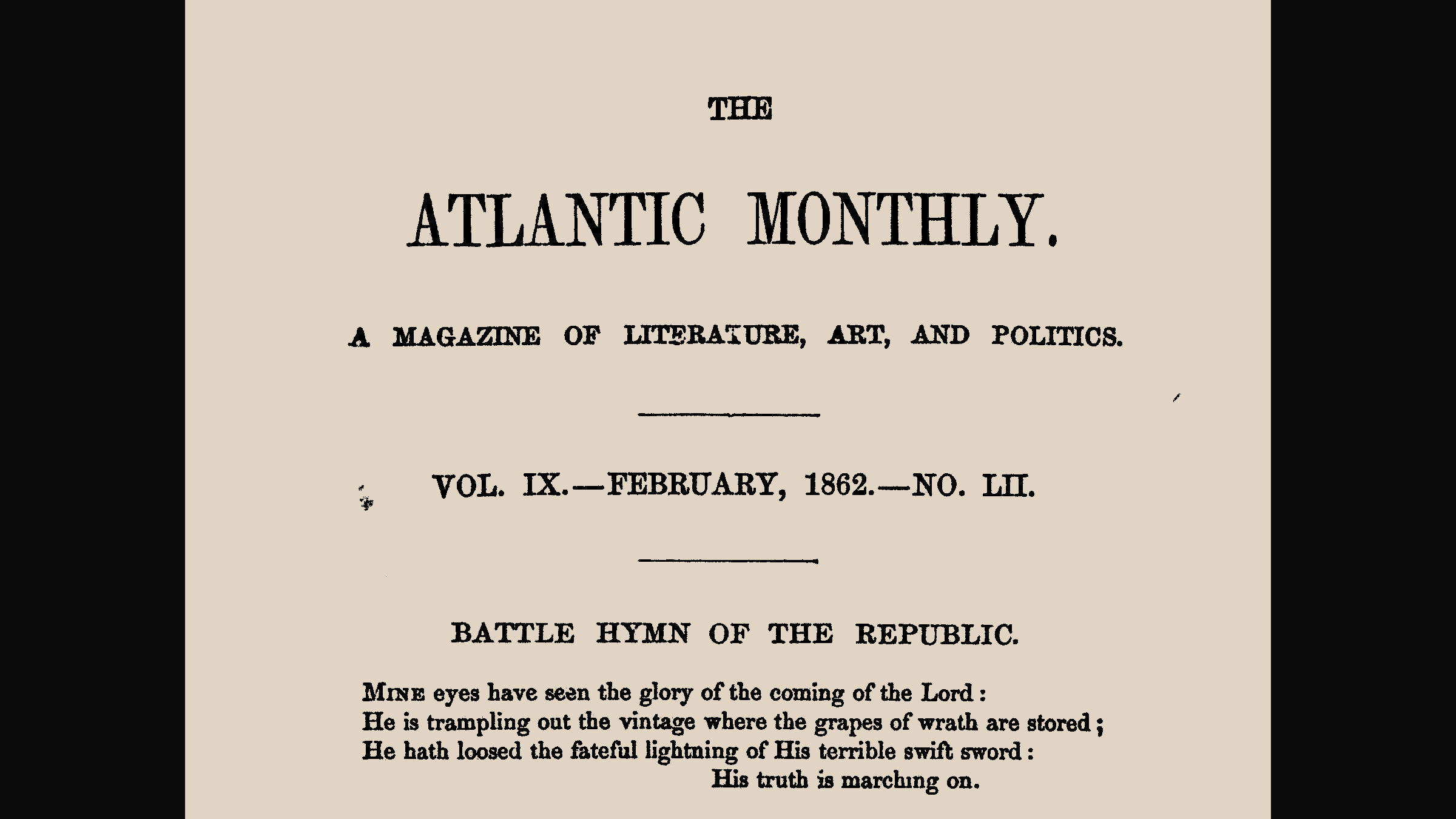
Julia Ward Howe's "The Battle Hymn of the Republic," penned in 1861, continues to serve as a powerful anthem in the United States, embodying the nation's ongoing struggle to align its actions with its founding ideals. The hymn, written during the American Civil War, uses vivid imagery and religious fervor to call for justice and freedom, reflecting a deep-seated aspiration for a more perfect union. Its enduring popularity underscores its resonance with American identity and its role in national discourse, particularly during times of social and political upheaval.
The "Battle Hymn" emerged from a specific historical context, born from Howe's witnessing of Union soldiers marching and singing John Brown's song. The lyrics, with lines like "Mine eyes have seen the glory of the coming of the Lord" and "He is trampling out the vintage where the grapes of wrath are stored," speak to a divine mandate for righteousness and a willingness to confront injustice. This powerful rhetoric has made it a staple in patriotic ceremonies, civil rights marches, and moments of national reflection, connecting past struggles for liberty with present-day challenges.
Beyond its historical significance, the hymn's enduring appeal lies in its universal themes of sacrifice, redemption, and the pursuit of a higher moral purpose. It has been interpreted and reinterpreted across generations, adapting to new contexts while retaining its core message of hope and perseverance. The "Battle Hymn of the Republic" remains a potent symbol of America's promise, a reminder of the continuous effort required to achieve the nation's stated aspirations for equality and justice for all its citizens.
Original source — read the full reporting at the publisher:
Read on The AtlanticGet the weekly AI digest
AI news + new model releases, weekly. Drafted by our agents, reviewed by humans.