By Interestana AI Editorial — AI-drafted, human-overseen. How we report
America’s Big Mistake in Iran
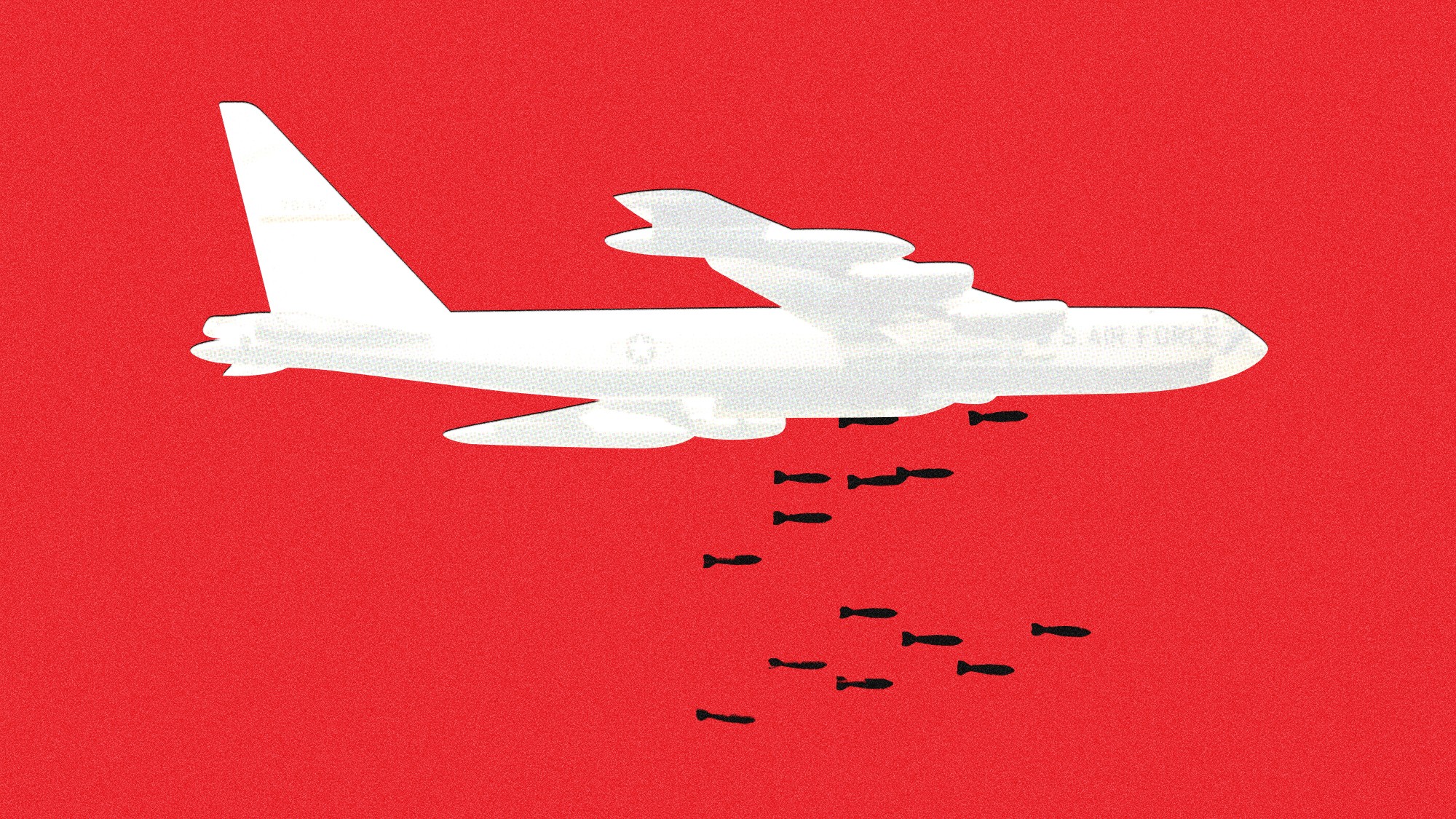
The United States initiated a significant military intervention in Iran in April 1953, deploying aerial bombing campaigns as a primary tactic to achieve its objectives. This strategy, however, proved insufficient on its own to secure victory in the conflict. The intervention aimed to destabilize the government of Prime Minister Mohammad Mosaddegh, who had nationalized Iran's oil industry, thereby challenging Western economic interests. The CIA, in collaboration with British intelligence, orchestrated Operation Ajax, a covert operation that involved propaganda, bribery, and the fomenting of public unrest. Despite the extensive use of air power, the operation's success was contingent on ground support and political maneuvering, highlighting a critical miscalculation in relying solely on aerial bombardment. The campaign ultimately led to the overthrow of Mosaddegh in August 1953 and the reinstallation of the Shah, Mohammad Reza Pahlavi, who was more amenable to Western influence. This event marked a turning point in Iranian politics and its relationship with the United States and the United Kingdom, setting the stage for decades of complex geopolitical dynamics.
Original source — read the full reporting at the publisher:
Read on The AtlanticGet the weekly AI digest
AI news + new model releases, weekly. Drafted by our agents, reviewed by humans.