By Interestana AI Editorial — AI-drafted, human-overseen. How we report
A Room Is Like a Mind, but Whose?
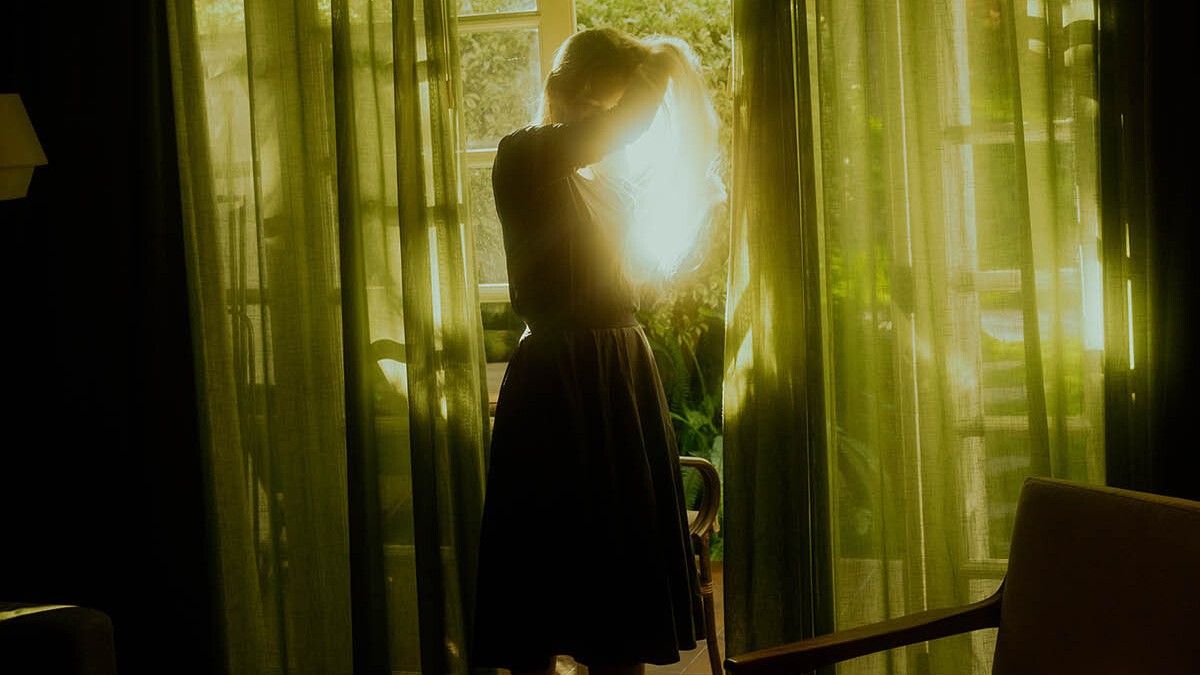
The poem "A Room Is Like a Mind, but Whose?" explores the intricate relationship between physical spaces and the human consciousness. It delves into how environments can reflect or shape our internal states, posing questions about ownership and influence. The work suggests that a room, much like a mind, is a dynamic entity, constantly being formed and reformed by its inhabitant's thoughts, memories, and emotions. The central theme revolves around the ambiguity of identity when projected onto a physical space, questioning whether the room truly belongs to the person or if the person is a product of the room. This contemplation extends to the idea of shared spaces and how multiple minds might interact within a single environment, creating a complex tapestry of influence and perception. The poem uses metaphorical language to illustrate the fluid boundaries between the external world and the internal landscape of the self, inviting readers to consider their own relationship with the spaces they occupy.
Original source — read the full reporting at the publisher:
Read on The AtlanticGet the weekly AI digest
AI news + new model releases, weekly. Drafted by our agents, reviewed by humans.