By Interestana AI Editorial — AI-drafted, human-overseen. How we report
Supreme Court Claims Status Quo While Remaking Law
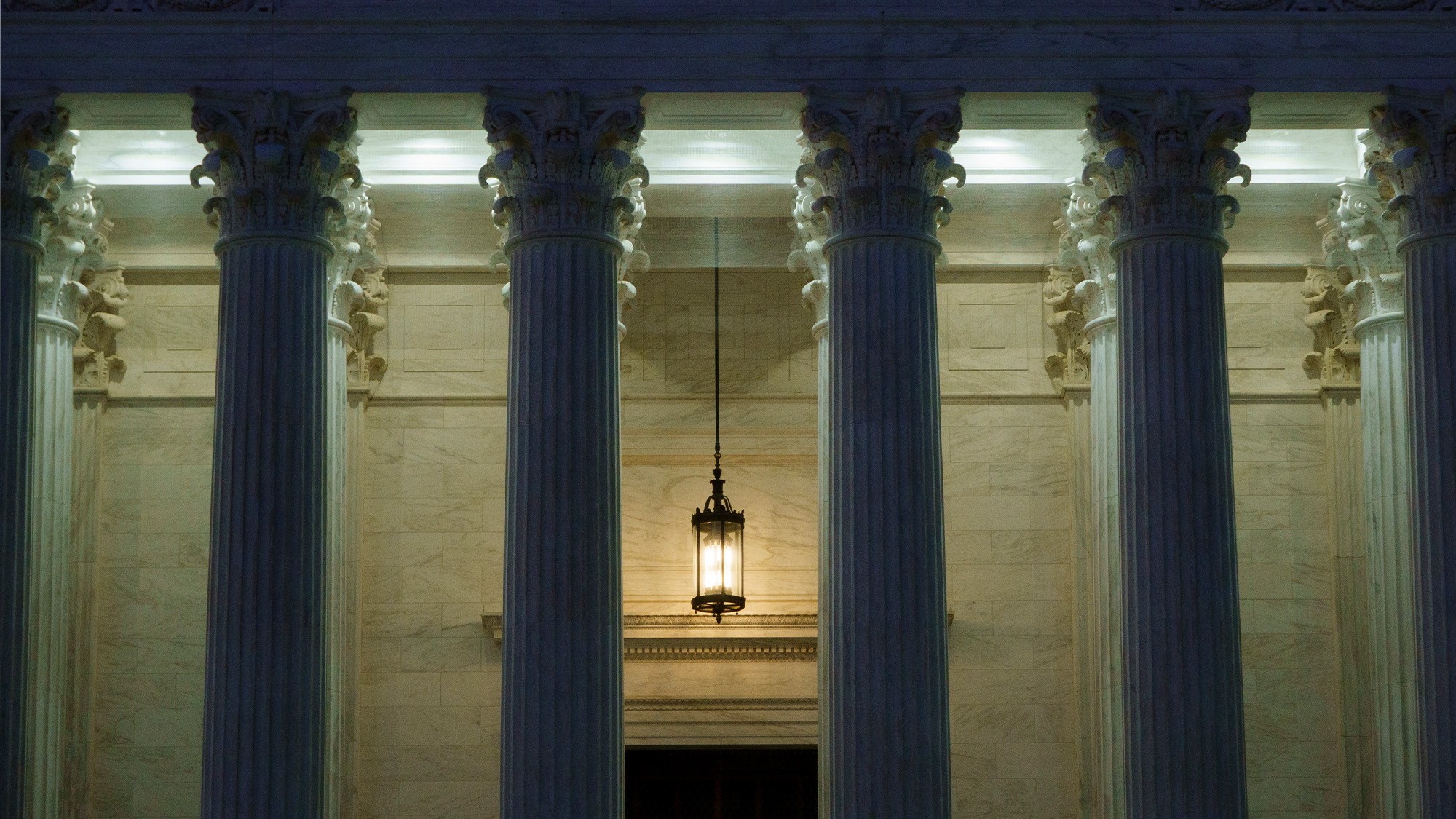
The Supreme Court is actively reshaping legal precedents while simultaneously asserting that its decisions are merely preserving the status quo. This approach, described as a "false pretense of judicial modesty," allows for substantial legal shifts without overt acknowledgment of departure from established norms. The Court's recent rulings have led to significant alterations in areas such as administrative law, environmental regulation, and individual rights, often by reinterpreting or narrowly applying prior decisions.
Analysts point to a pattern where the Court invokes principles of stare decisis, the doctrine of precedent, to justify its actions. However, critics argue that this invocation is selective, with the Court choosing to adhere to precedent only when it aligns with its desired outcomes. This selective application allows for the dismantling of long-standing legal frameworks and the creation of new legal landscapes, all while maintaining the appearance of judicial restraint and deference to past rulings. The consequence is a judiciary that appears to be conservative in its rhetoric but progressive in its impact on the law.
This strategy of "modest" legal transformation has far-reaching implications. It can obscure the true extent of judicial change, making it more difficult for the public, legal scholars, and even lower courts to understand the evolving legal terrain. By framing its decisions as continuations of existing law, the Court can reduce immediate public and political backlash, thereby consolidating its influence over various sectors of society. The impact of these remade laws will continue to unfold across various legal domains.
Original source — read the full reporting at the publisher:
Read on The AtlanticGet the weekly AI digest
AI news + new model releases, weekly. Drafted by our agents, reviewed by humans.