California Law Standardizes Food Labels To Reduce Waste
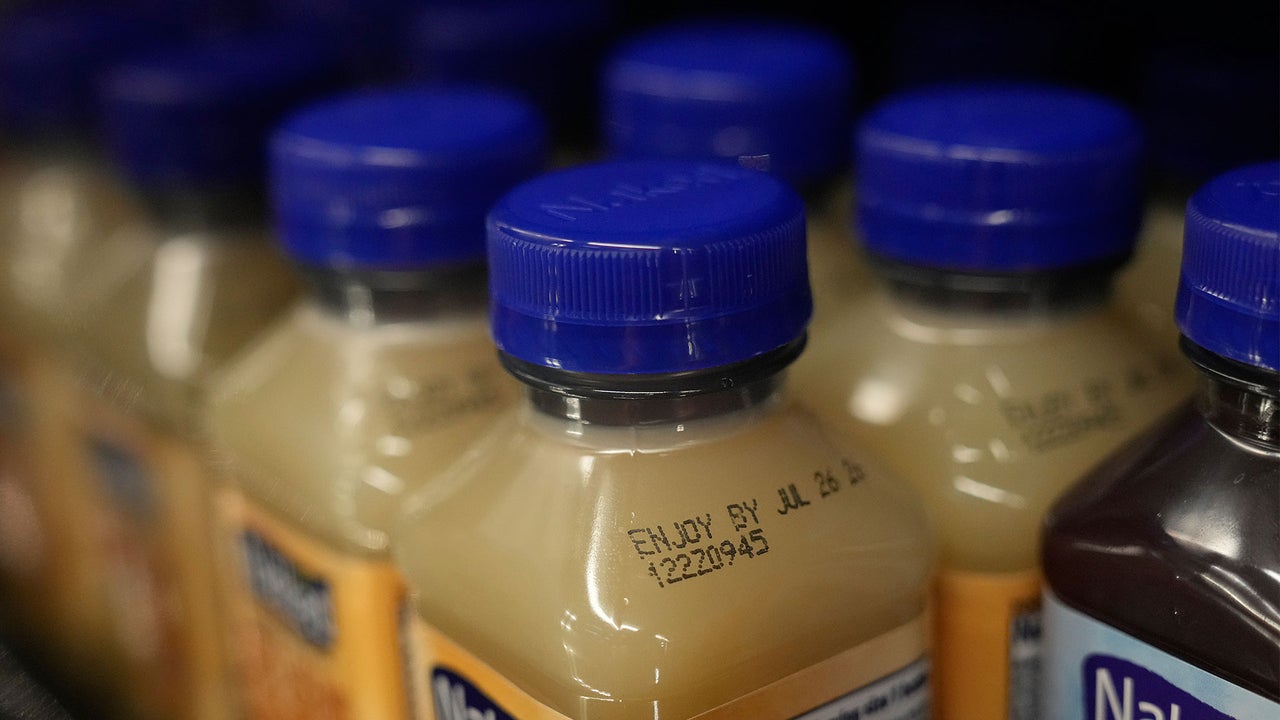
A new California law aimed at reducing food waste and consumer confusion regarding food expiration dates went into effect on Wednesday. The legislation, authored by Democratic Assemblymember Jacqui Irwin, standardizes food labeling by banning the use of "sell by" dates on food packaging. These "sell by" dates primarily serve as a guide for retailers on shelf life and do not indicate food safety.
Under the new law, food manufacturers selling products in California must now use one or both of two standardized labels: "Best if Used By" to indicate peak quality and "Use By" to denote product safety. This initiative seeks to clarify for consumers when food is past its prime quality versus when it becomes unsafe to consume, thereby preventing unnecessary disposal of edible food.
California is the first state in the U.S. to implement such a standardized food labeling system. The law was approved in 2024 with the dual goals of reducing food waste and mitigating climate-warming emissions associated with food decomposition. Similar legislation has recently been approved in New York and is awaiting the governor's signature, while other states like Illinois, Maryland, Massachusetts, New Jersey, and South Carolina have proposed comparable bills.
Advocates like Nick Lapis, director of advocacy at Californians Against Waste, support the law, highlighting how ambiguous date labels contribute to significant food waste. The confusion over "sell by" dates, in particular, leads many households to discard food prematurely, even when it remains safe and palatable. The standardization is expected to empower consumers to make more informed decisions about food consumption and disposal.
Original source — read the full reporting at the publisher:
Read on Fast Company