By Interestana AI Editorial — AI-drafted, human-overseen. How we report
3 ways to build a more complete SEO ROI model
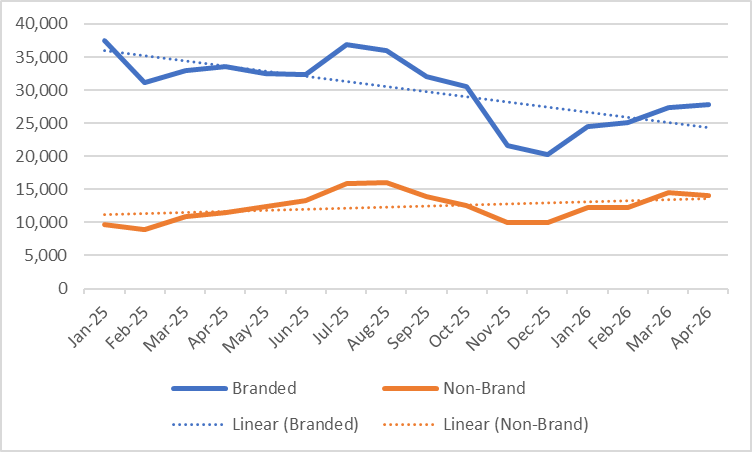
Search Engine Optimization (SEO) return on investment (ROI) modeling requires a more nuanced approach due to the increasing complexity of search engine results pages (SERPs) and the rise of AI-generated answers. Traditionally, SEO ROI was calculated as ((Incremental organic revenue - SEO costs) / SEO costs) x 100, focusing on incremental traffic and revenue. However, with approximately 60% of searches now ending without a click and large language models (LLMs) not always providing direct links or referrer strings, this traditional formula is becoming insufficient. SEO professionals must adapt to demonstrate the true value of their efforts in this evolving landscape.
One key strategy to build a more complete SEO ROI model is to account for all organic revenue, not just incremental gains. This means recognizing that even if direct clicks are declining, increased visibility through impressions, AI Overviews, or prompt visibility still contributes to brand awareness and potential customer acquisition. The challenge lies in attributing value to these non-click interactions, which necessitates a broader view of SEO's impact beyond direct traffic metrics.
Furthermore, SEOs need to expand their measurement beyond traditional organic traffic to encompass visibility across multiple channels. This includes tracking performance not only on Google but also in AI search, social media, and local search results, as well as any other platform that influences purchasing decisions. By adopting a more comprehensive tracking methodology, businesses can gain a clearer picture of how their SEO investments contribute to overall revenue and market presence, even in an environment where direct attribution is becoming more difficult.
Original source — read the full reporting at the publisher:
Read on Search Engine LandGet the weekly AI digest
AI news + new model releases, weekly. Drafted by our agents, reviewed by humans.