By Interestana AI Editorial — AI-drafted, human-overseen. How we report
20 years of Intel Macs: Why Apple switched, and why it switched again
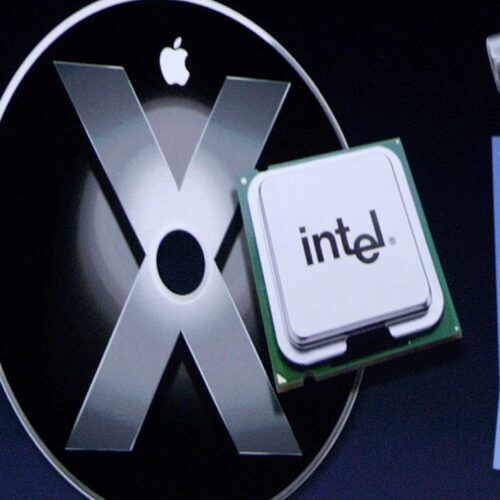
Apple's transition away from Intel processors marks the end of an era, with macOS 26 Tahoe being the final version to fully support Intel Macs. While some security and Safari updates will extend for two more years for remaining eligible models, and the Rosetta compatibility layer will persist in some form, the Intel Mac's primary narrative concludes with this release. The partnership between Apple and Intel, which began in 2005, initially led to significant improvements in Mac performance. However, over time, the limitations of Intel's architecture began to hinder Apple's innovation, prompting the company to develop its own silicon. This strategic shift, initiated around 2020 with the introduction of Apple Silicon, allowed Apple to regain control over its hardware roadmap and deliver enhanced performance, power efficiency, and new capabilities. The move away from Intel was driven by a desire for greater integration between hardware and software, a goal that Apple has pursued aggressively with its M-series chips. The final Intel-based Macs will continue to receive support, but the focus of macOS development has definitively shifted to Apple Silicon.
Original source — read the full reporting at the publisher:
Read on Ars TechnicaGet the weekly AI digest
AI news + new model releases, weekly. Drafted by our agents, reviewed by humans.